Web Design
What customers expect from your website
Your website should load quickly, work smoothly on mobile, explain what you offer, and make getting in touch simple.
 LeadCardinal4 min read

A fast-changing landscape
A small-business website has a practical job: help someone decide whether you can solve their problem and make the next step easy. Design trends will keep changing, but clear information, responsive performance, and usable forms remain a better starting point than chasing the latest visual effect.
- Websites need to provide useful information to the right audience
- Websites need to load as quickly as possible
- Websites need to be accessible and user-friendly
- Websites need to provide clear direction on next steps
What your customers expect from your website
1. Pages load quickly and respond reliably
A quick first load is only part of the experience. A menu should respond when someone taps it, and page elements should stay put while images load. Google’s Core Web Vitals assess loading, responsiveness, and visual stability. Use these measures to find friction, rather than treating a single speed score as a guarantee of better rankings.
Start with the pages customers actually use. Test your homepage, a service page, and the contact form on a phone as well as a desktop. These tools can help identify problems:
2. Browsing and sending information feel secure
HTTPS protects information in transit between a visitor’s browser and your website. It belongs across the whole site, including contact forms, rather than only on payment pages. A valid certificate and consistent HTTPS redirects are basic maintenance, not a premium feature.
HTTPS does not, by itself, make a website secure. Software updates, access controls, reliable backups, and sensible handling of form submissions still matter. Check the complete experience instead of relying on a padlock as proof that everything is covered.
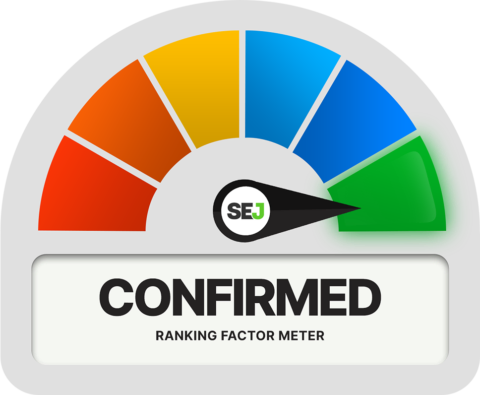
Google’s page-experience guidance treats secure browsing as part of a useful overall experience. Give customers a dependable site without promising a particular rankings boost.
3. Your website is easy to read, easy to navigate, and creates a great user experience
Readable text, keyboard-friendly controls, clear navigation, and working layouts on different screens make your website useful to more people. Check the actual tasks visitors need to complete, including finding a service, calling your business, and submitting a lead.
When evaluating how likely it is for your website users to be pleased with the experience, ask yourself the following questions:
- Have ALT attributes been added to images?
- Is my website mobile-friendly?
- Am I using proper font size and spacing on text content?
- Are images properly optimized for speedy website viewing?
- Am I using a consistent, branded color scheme that’s pleasing to the eye?
Read more: 7 UX Principles for Creating a Great Website
Make your website useful, not just current
4. You’ve got a story to tell
Your customers are inundated with hollow marketing messaging every single day. They browse local business websites featuring content that is often uninteresting and uninspiring.
Sure, that’s okay sometimes, but if you want to build a brand that stands out from your competitors and engages your customers meaningfully, you’ve got to have a story to tell.
Remember, effective marketing and lead generation is all about tapping into emotions and customer sentiment:
- Why did you get into business?
- Why is what you do so special?
- Are you showcasing customer stories?
5. The design supports the job customers came to do
A modern website does not need every new interaction or tool. A plumbing customer may care more about service coverage, availability, and a working phone link than an animated introduction. Prioritize the information and actions that make choosing your business easier.
Use imagery, typography, and movement to clarify the page. Keep text readable, respect reduced-motion preferences, and make sure decorative effects do not delay the content or obstruct controls.
These are useful design tools when they serve that purpose, rather than a checklist of features every business needs:
- Mobile-first, responsive design
- High quality imagery
- Custom messaging
- Optimization for retina (high resolution mobile) displays
- Cohesive color palette
- SVG graphics
- Subtle movement and micro-interactions
Where to start?
With so many new web standards that seem to change and evolve with the wind, it can be difficult to know where to start. We get it.
If you’d like to learn more about how LeadCardinal can help equip your small business with an effective, secure, and highly engaging website, reach out to one of our small business marketing experts!